Faculty and Staff Resources
Guides, resources, and information for UW–Madison faculty and staff to help support students experiencing issues, including academic and non-academic misconduct, how to talk to students you are concerned about, addressing disruptive behavior, and verbal de-escalation.
On this page
You might also be looking for
Misconduct
Whether it’s a feeling that cheating might have taken place, or something more serious, misconduct is typically handled in two ways: Academic or Non-Academic. The Office of Student Conduct and Community Standards are the people who help guide faculty, staff, and students through these situations.
Academic Misconduct
This may involve questions of academic integrity which include honesty, trust, fairness, respect, and responsibility. Some examples of academic misconduct include, plagiarism, cheating, copying homework, and stealing an exam or course materials.
Nonacademic Misconduct
This may include things like reporting hate or bias, sexual violence, hazing or other issues that may work against the university’s living and learning environment that is safe and free from violence, harassment, fraud, theft, disruption, and intimidation.
In the classroom
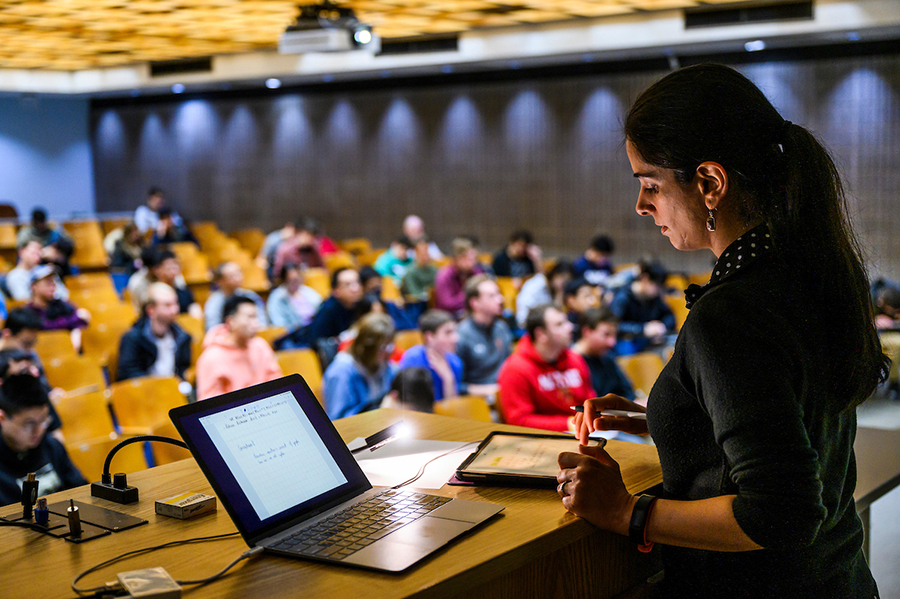
Syllabus statement
Help set the tone about academic integrity and your expectations for the class.

Contract cheating
When a student contracts with another person to have them complete academic work.
Proctoring exams
Good proctoring can ensure a fair and equitable exam for all students.

Plagiarism
While some plagiarism is deliberate, many students plagiarize unintentionally.
Class attendance guidance
Guidelines on accommodations, safety, and medical issues on class attendance.

Disruptive behavior
Suggestions to assist instructors when disruptive behavior interferes with learning.
Verbal de-escalation
Suggestions on de-escalating a situation when encountering someone who is angry or upset.
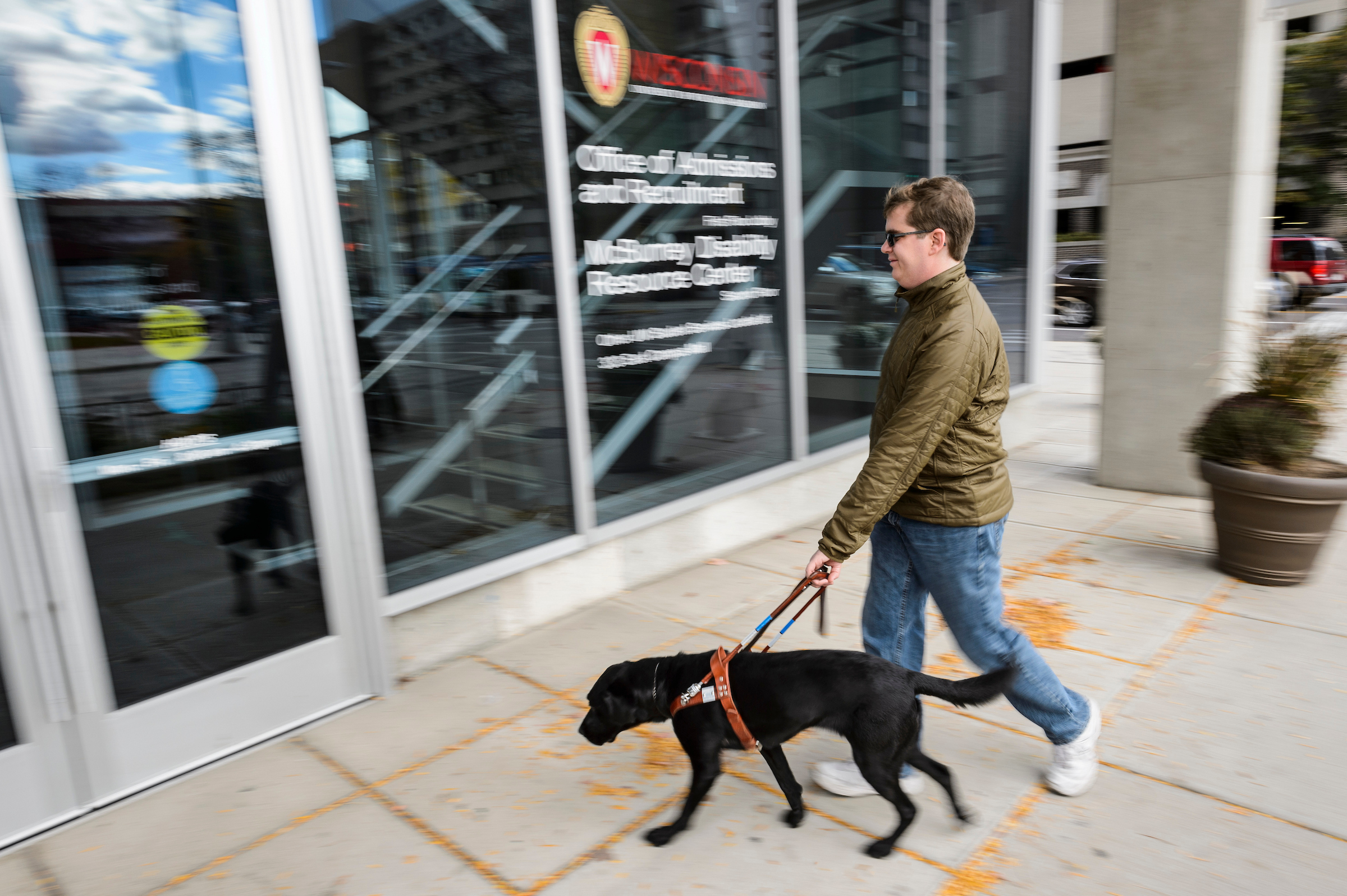
Disability-related accommodations
Students with disabilities can apply for a disability-related accommodation through the McBurney Disability Resource Center.
Artificial Intelligence in the Classroom
UW–Madison’s guide and considerations for using AI in the classroom.
Other accommodation requests
How to handle accommodation requests for religious observances, pregnancy, parenting or other life events.
Additional misconduct resources
Sourced and vetted articles, books, software, videos, and other web content to help instructors with academic misconduct.
Supporting and talking with students

When you are concerned about a student
Information on how to identify behaviors that may interfere with a student’s success, including who can help.
UHS Resources for Faculty and Staff
This page shares resources to help you better support student health and wellbeing.

How to discuss a concern with a student
Guidance on how to respond to a student when you are concerned. Resources on who to talk to, and where to make a referral.
Behavior Intervention Team
The Team’s purpose is to provide guidance, recommend interventions and to make referrals for students that have demonstrated concerning, distressed, or disruptive behavior.
Resources on Immigration Issues
International Student Services immigration resources offered through UW–Madison.

Responding to a specific concern
Mental Health Support
Guidance on what to do when you observe a student who may be struggling emotionally.
Disordered eating
Supporting students’ health and well-being, including what to do and what not to do.
Student anxiety
How to recognize symptoms, types of anxiety, what to do, and what not to do.
Your syllabus language
What to include to support students who may be struggling with mental health issues.
Demanding behavior
Working with students who may be intrusive, persistent and require extra time and attention.
Crisis loan/financial support
Crisis loans can support students experiencing financial hardship.
Disoriented/psychotic behavior
Working with students who may show signs of disorientation or psychotic behavior.
Death of a student
How to support your students and campus community when a student death occurs.
How does FERPA apply?
The Family Educational Rights and Privacy Act (FERPA) is a federal law that governs the privacy of student educational records, access to those records, and disclosure of information from them.
Discussing a student you are concerned about with the Office of Student Assistance and Support is permitted by FERPA if the discussion relates to the student’s experience at UW–Madison or could help the university support the student. Additionally, talking with any campus office that can help you assist the student directly is also permitted by FERPA. The Registrar’s Office has more information on student rights protected under FERPA.
Requesting student misconduct records
Student misconduct records are protected by the Family Educational Rights & Privacy Act (FERPA) and may only be released to individuals/offices with a legitimate educational need-to-know or by written release from the student subject.
Policies
Contact
Student Conduct and Community Standards Contacts
How can we help?
Email: conduct@studentaffairs.wisc.edu
Phone: 608-263-5701

Office of Student Conduct and Community Standards
724 W. Johnson Street
Madison, WI 53715
Office Hours
Monday-Friday: 8:00 a.m.–4:30 p.m.
After Hours Contacts
Crisis response:
Call Mental Health Services
608-265-5600 (option 9)
Emergencies:
Dial 911 for immediate help from the
UW Police Department
UWPD Non-emergency line: 608-264-2677